
MediaExpert
Electronics

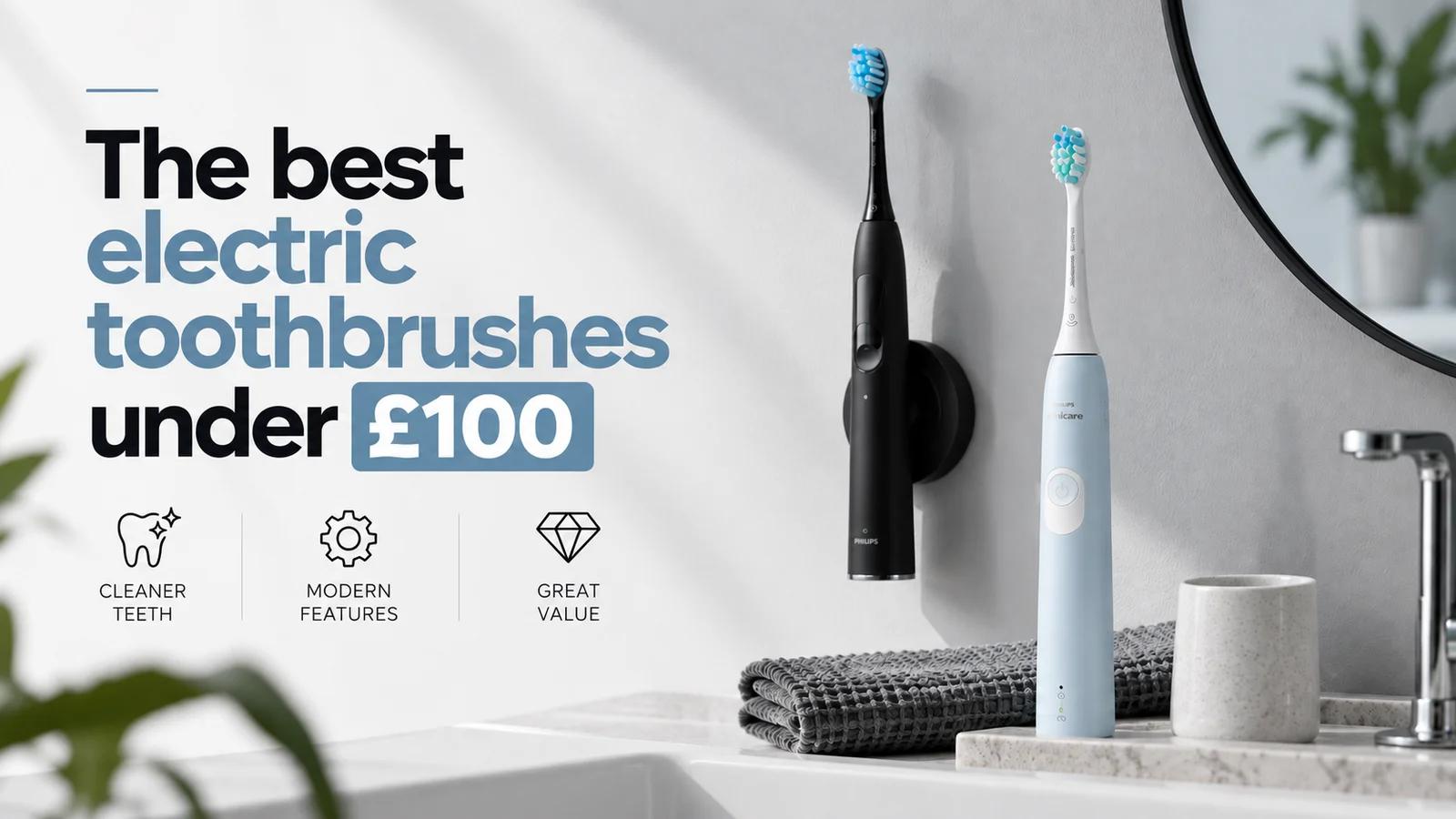
Pressure sensor over mode count, and why the heads cost more than the brush
Soleback Team
Something has shifted in this price bracket. For under £90 you can now get a brush with a pressure sensor, an app and voice guidance, a combination that until recently started above £130. Below is what suits which need, and the cost most round-ups omit.
The pressure sensor matters more than the number of modes and more than movements per minute
The hidden cost is the brush heads: a two-pack runs roughly £13 to £22 depending on model
Over three years the heads cost more than the brush itself
Oclean X Ultra 20 offers the fullest feature set in this bracket
Sonic or oscillating: neither technology is superior
This is the most important point in the whole piece, because it changes the maths over years.
A two-pack of brush heads runs roughly £13 to £22 depending on the model. At the recommended three-month replacement interval that comes to £26 to £44 a year, meaning more than the price of the brush itself over three years.
The conclusion is awkward for rankings but simple. A cheaper model with widely available heads works out better over several years than a dearer one with expensive refills.
So check two things before buying: what a two-pack costs for your model, and whether you can buy the heads in ordinary high-street stock rather than only from the manufacturer.
Let us settle this immediately, because the question returns with every purchase.
Neither technology is better. Both remove plaque effectively; the difference is in feel and shape.
Sonic cleans through rapid vibrations, is generally gentler on gums and has a slimmer form. It suits sensitive gums well.
Oscillating delivers a more intense, scrubbing sensation.
The choice comes down to preference rather than effectiveness.
It belongs above the number of modes, because it genuinely protects your health.
The sensor warns you when you press too hard. Brushing too forcefully damages gums and enamel, and that is only reversible to a limited extent.
Particularly important with: sensitive gums, braces, crowns, fillings and exposed necks of teeth.
If the choice is between a five-mode model without a sensor and a two-mode model with one, take the second. In practice you use one or two modes anyway.
The model that moved the price barrier in this segment.
It combines three things that previously required going above £130: a pressure sensor, Bluetooth with an app, and voice guidance.
The voice assistant walks you through the session, flagging zone changes, time remaining and pressure. The app tracks habits and builds custom modes.
Add 84,000 movements per minute, five modes including separate morning and evening settings, two heads in the box and a wall mount.
Who it suits: anyone wanting the maximum at this price who will actually use the app.
A travel case included, USB charging and 21 days of battery. Plus a pressure sensor.
Who it suits: frequent travellers who want the sensor and prefer a brand with widely stocked heads.
A travel case, three heads in the box and 40 days of battery.
The difference from the Philips is clear: Oclean has the longer battery and more heads, Philips has the pressure sensor. Both include a case and USB charging, which is what counts on the road.
A model without elaborate features but with a pressure sensor and a head-replacement reminder. Safe with braces and fillings.
Who it suits: anyone who wants neither an app nor an assistant, just solid hardware with gum protection.
31,000 movements, USB charging, 14 days of battery, one mode. The simplest way to find out how sonic cleaning differs from a manual brush.
Who it suits: anyone switching from a manual brush and unsure whether it will suit them.
The Pulsonic Slim line offers a gentle mode for brace wearers, sensitive gums and exposed necks of teeth. The Luxe 4900 version includes a case.
Who it suits: brace wearers and anyone recovering from gum treatment.
A fair question, since the threshold is arbitrary.
The next genuine step up is the Philips DiamondClean 9000, which adds head recognition, four modes with three intensity levels and a better app.
Set against each other honestly: the Oclean X Ultra 20 already delivers a pressure sensor, an app, voice guidance and five modes for under £90. The premium therefore buys refinement rather than new capability.
The answer: on a first electric toothbrush, going above £100 is hard to justify. Putting the difference towards a stock of brush heads makes more sense.
Battery. The range runs from 14 to 40 days. Secondary at home, decisive when travelling.
Case. Most models in this bracket do not include one. If you travel, that narrows the field to two or three options.
Movements per minute. Figures run from 31,000 to 84,000, but this is not a measure of effectiveness. A model with 31,000 movements and a pressure sensor is the better buy than one with 82,000 and no sensor.
Head-replacement reminder. Useful, since a worn head is easy to miss and loses effectiveness.
Colour availability. It sounds trivial, but on some models the colour variants carry separate stock levels, so colour affects availability and price.
The retailers below stock electric and sonic toothbrushes, and buying through Soleback returns part of the order value:
The click through Soleback has to be the last one before the shop, and cashback clears once the returns window closes.
Checking several shops is worth it, because in this category the same model often sits at noticeably different prices, and promotions are frequent.
Our promotions section is worth a look too, since sonic toothbrushes drop hardest before Christmas and around Black Friday, meaning November and December.
The Oclean X Ultra 20 has the fullest package: pressure sensor, app, voice guidance, 84,000 movements and five modes. For travel the Philips HX7406 or Oclean X Pro 20 suit better, both including a case.
Roughly £13 to £22 for a two-pack depending on the model, replaced every three months. That is £26 to £44 a year, and more than the brush itself over three years.
Neither. Both remove plaque effectively. Sonic is gentler on gums and slimmer, oscillating gives a more intense scrubbing sensation.
With sensitive gums, braces, crowns and fillings, yes, since brushing too hard damages gums and enamel. It matters more than the number of modes.
Not directly. Figures range from 31,000 to 84,000, but a model with a lower figure and a pressure sensor is the better choice than one with a higher figure and none.
On a first electric brush, probably not. The Philips DiamondClean 9000 adds head recognition and a better app, but you already get the core features under £90.
This bracket has shifted in the buyer's favour. Features that a year or two ago required going above £130 are now available under £90, so exceeding £100 on a first purchase is hard to justify.
Two things to take away. The pressure sensor matters more than the mode count or the movements per minute. And head costs will exceed the price of the brush within three years, so check them before buying rather than after.
And if you travel often, start from the case: it narrows the field to a handful of models, because most options at this price do not include one.


Save on your next purchase
Browse our partner stores for cashback deals and voucher codes
Soleback Team
Author