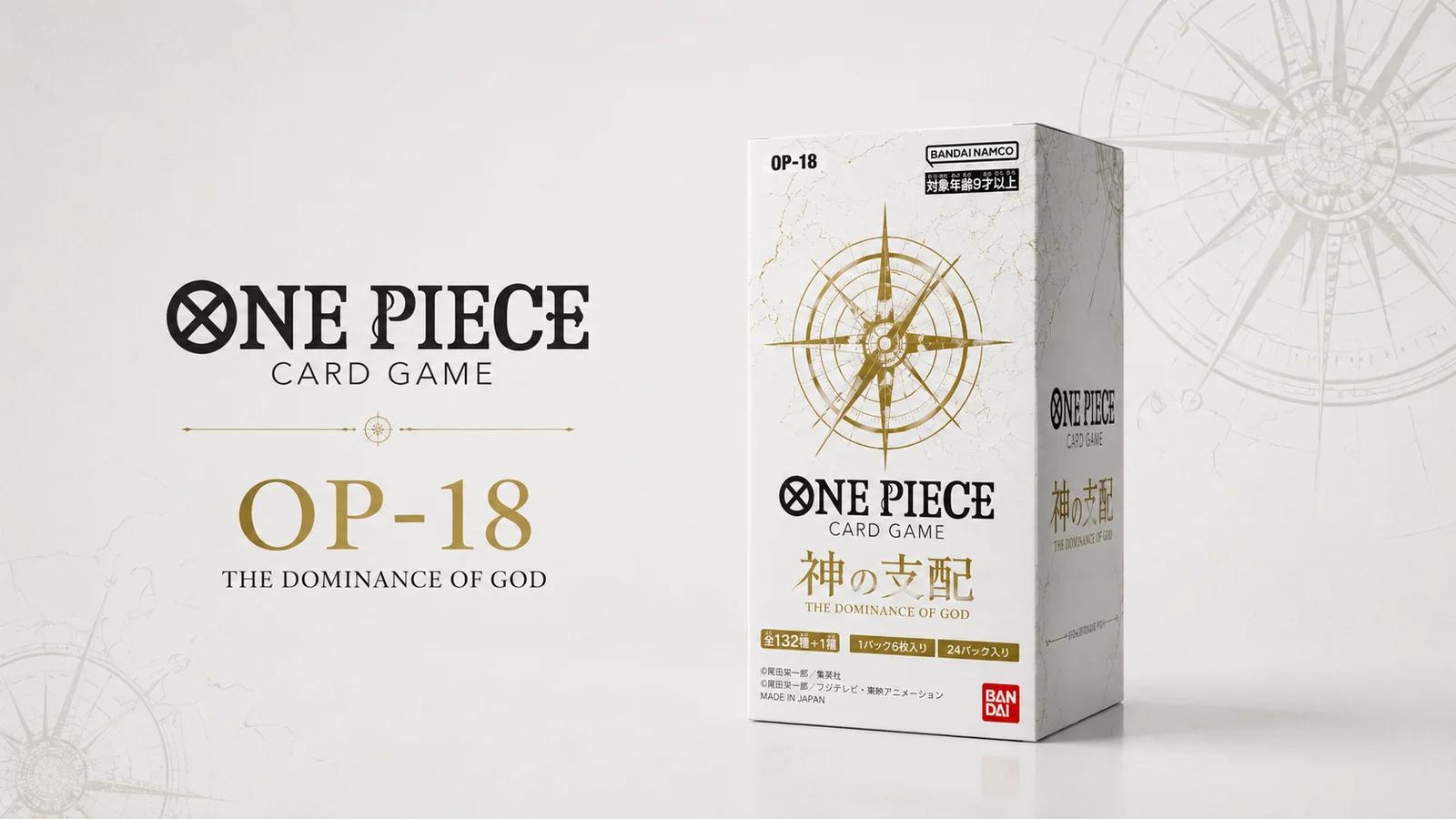
One Piece OP-18 "The Dominance of God": Amano draws the cards, Franky finally gets a Leader
Aug 25, 2026·Soleback Team

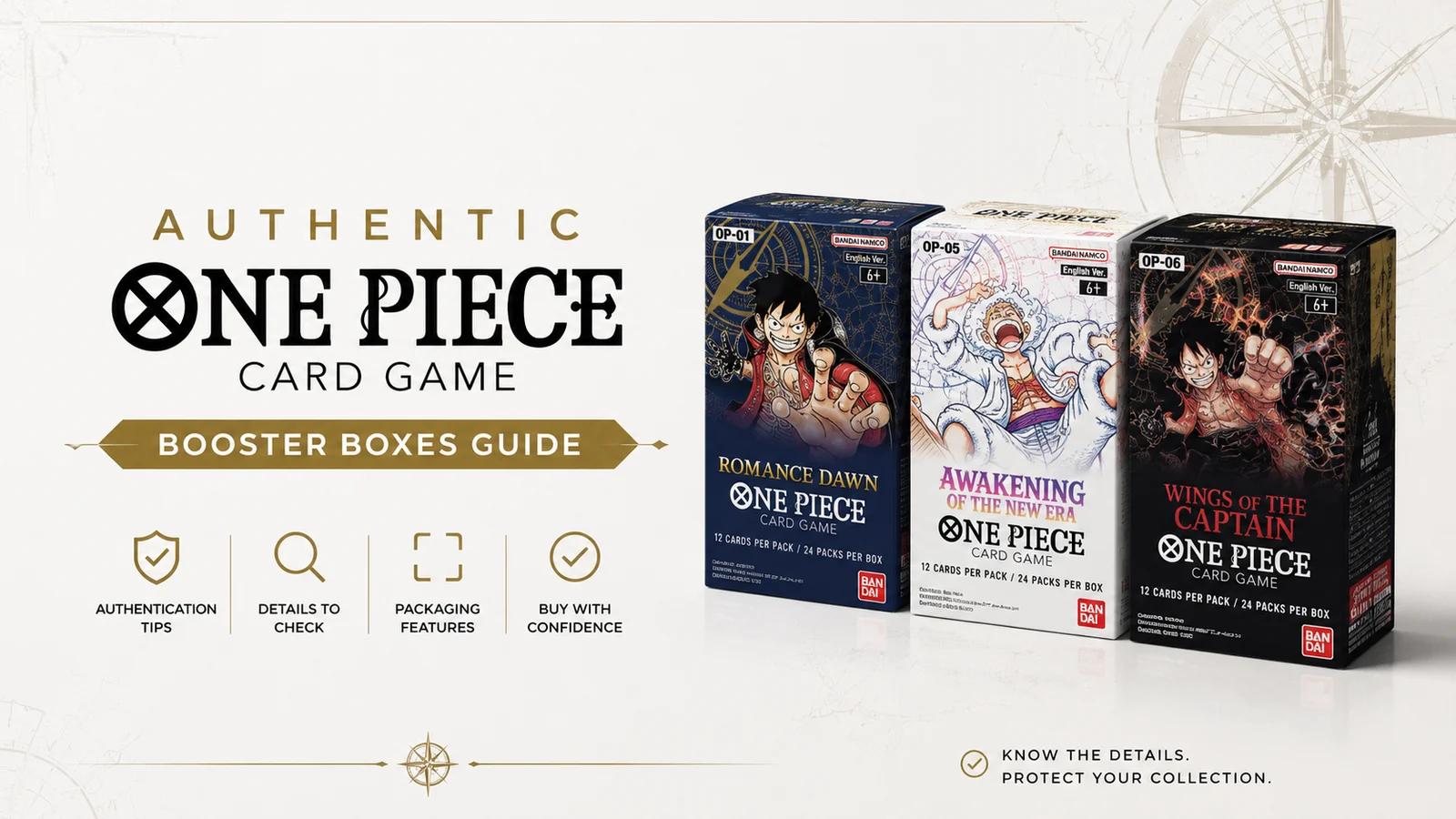
How to check packaging, sellers, pricing and photos before you buy sealed product
Soleback Team
Buying a One Piece booster box should feel exciting, not risky. Whether you collect sealed products, rip packs for fun, or shop for gifts and one piece merchandise, the safest move is to check the packaging, seller, price, and product details before you buy. This guide walks through practical signs a box is real, so you can judge authentic One Piece booster boxes with more confidence.
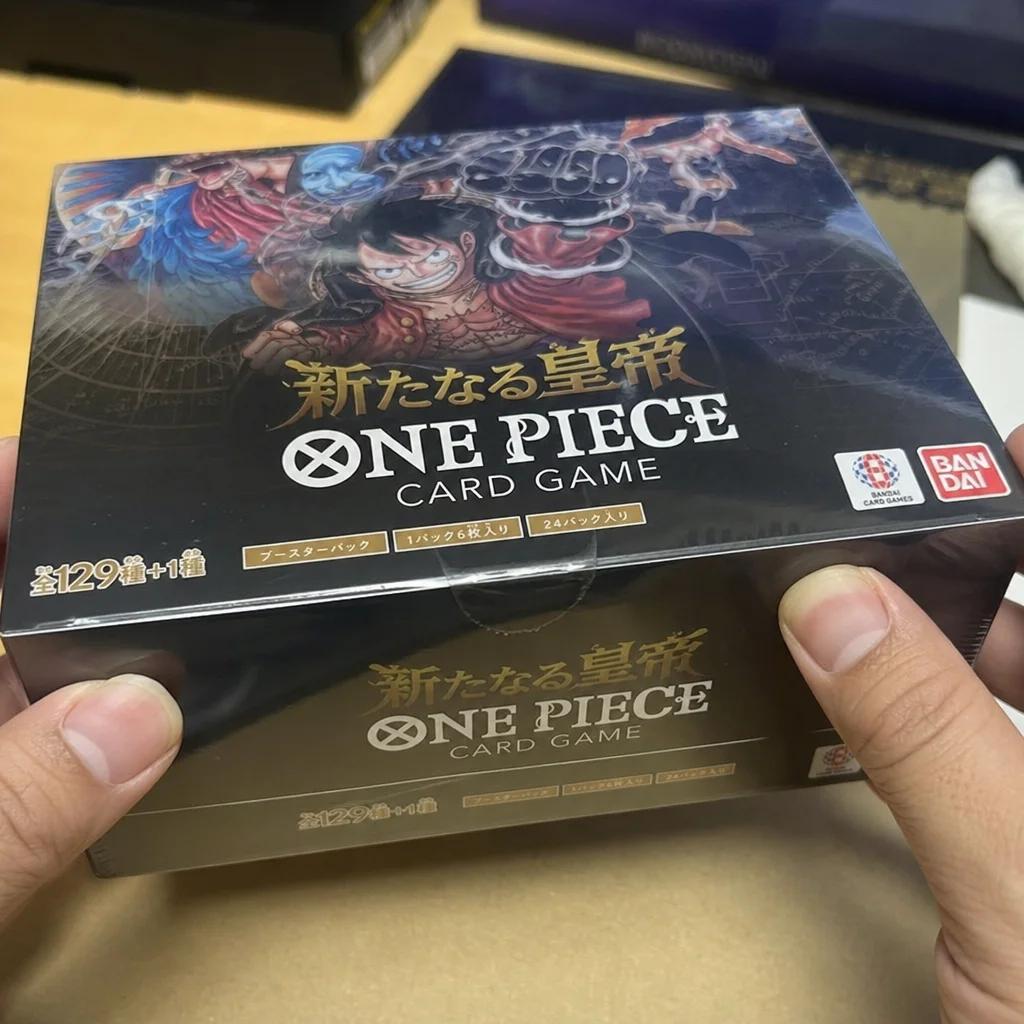
Start by checking whether the box matches the official product you meant to buy. Then verify the seller and packaging before you focus on price. Authentic collectible card boxes usually look steady across print runs, with clean logos, sharp text, aligned wrap, and no clear signs of tampering. If anything feels rushed, blurry, mismatched, or very cheap, pause before purchasing.
For One Piece trading card products, the box is part of the collectible. Counterfeiters often rely on buyers moving quickly, especially when booster box deals look limited or popular sets are hard to find. A careful two-minute check can save you from buying resealed, damaged, unofficial, or fake product.
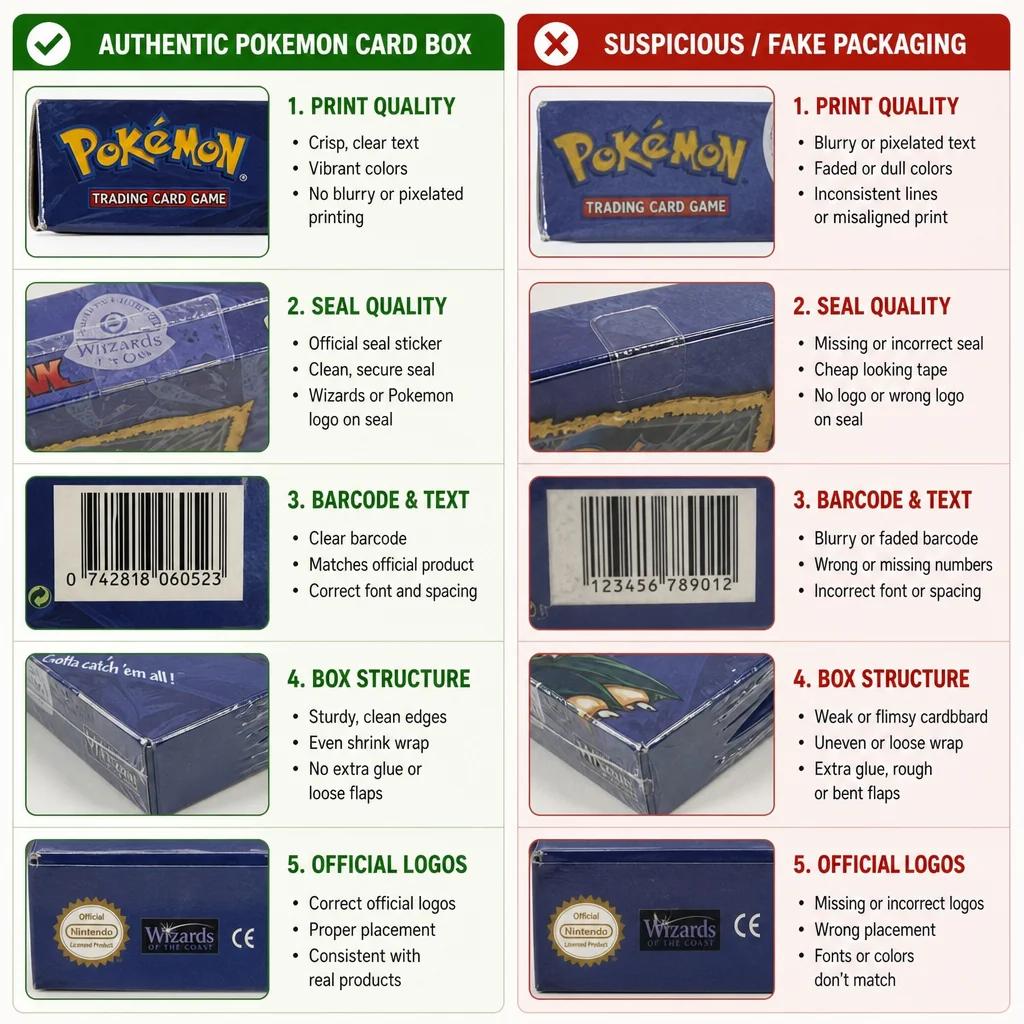
The first clue is the box itself. Real packaging should look professionally printed, with crisp artwork, steady color, readable small text, and official branding where you expect it. Fakes often show soft images, odd color tones, misspelled words, uneven borders, or logos that look stretched.
Look at the plastic wrap, too. Authentic sealed boxes usually have neat, snug wrapping without extra looseness, cloudy plastic, or messy heat marks. Some products use different wrap styles by region or print run, so do not expect every box to look identical. Instead, compare the box with trusted product photos from reputable retailers, official previews, or established booster box reviews.
Key packaging details to inspect include:
Logo quality: the One Piece logo and manufacturer branding should be sharp, centered, and correctly colored
Text clarity: small print should be readable, not smeared, fuzzy, or oddly spaced
Artwork alignment: character art and borders should not appear cropped in unusual places
Seal condition: plastic wrap should look factory-applied, not rewrapped by hand
Box structure: corners, folds, and panels should feel sturdy and professionally assembled
Barcode and product information: these should match the product name, set, and region you are buying
A single minor flaw does not automatically mean a box is fake, especially if it has been shipped or stored. Multiple warning signs together are a stronger reason to walk away.
Even a convincing listing can be risky if the seller has no track record. When shopping for one piece collectibles, prioritize retailers, hobby shops, marketplaces with buyer protection, or sellers with a clear history. A good seller should be able to show clear photos, answer basic questions, and explain where the box came from.
Be cautious with listings that use only stock images. Stock images are not always a scam, but they do not prove the seller has the exact sealed box you will receive. Ask for photos of the actual box, including the front, back, sides, seal, barcode area, and any visible product codes. If the seller refuses, rushes you, or gets defensive, move on.
A practical seller checklist:
review recent feedback, not just the overall rating
look for completed sales of similar one piece trading products
read negative reviews for mentions of resealed packs, damaged boxes, or missing items
confirm the return policy before buying
avoid off-platform payment requests that remove buyer protection
save screenshots and order details until the box is verified
This matters even more on peer-to-peer marketplaces. Many honest collectors sell sealed product, but you still need a process that protects you.
A booster box deal becomes suspicious when the price is far below the normal market range without a clear reason. Discounts can happen during promotions, restocks, damaged-box sales, or retailer clearance, but very low pricing on in-demand collectible card boxes should make you check the seller and product carefully before paying.
Counterfeit listings often use urgency: last one, today only, or wholesale source. The goal is to make you act before you compare prices. Instead, check several reputable shops and marketplaces to learn the usual range for that set and condition. You do not need the exact average. You only need to know whether the offer sits within a believable range.
Low prices can also hide non-obvious issues. The box might be opened, resealed, damaged, foreign-language, empty display packaging, or not a booster box at all. Read the listing title and description closely. Words like proxy, custom, replica, display, empty, or inspired are major clues that the product is not an authentic sealed booster box.
Good photos help you inspect the details before the package arrives. For valuable one piece boxes, ask for photos taken in natural light or clear indoor light. The images should be sharp enough to zoom in on text, seals, and corners.
Request these views if they are not already included:
front panel with full artwork visible
back panel with product information visible
left and right side panels
top and bottom seals
barcode or product code area
close-up of any shrink wrap seams
photo with the seller's username and current date on paper nearby, when buying from an individual
That last step does not prove authenticity by itself, but it helps confirm the seller has the box in hand. Scammers often reuse old photos from other listings, so a personalized photo can filter out low-effort fraud.
Before buying, compare the listing with known examples. This is where booster box reviews, collector forums, retailer product pages, and opening videos can help. Look for consistency in artwork placement, set names, pack count descriptions, language, and box size shown in photos.
Use references carefully. Packaging may differ by region, print run, or language, so do not reject a box only because one small detail differs from a video you watched. The better approach is to gather several references and look for patterns. If every trusted example has clean print and a certain layout, but the listing has blurry text, odd color, and a strange seal, you have a stronger reason to be cautious.
For collectors who buy often, it helps to create a simple folder of reference images from past authentic purchases. Over time, you will get faster at spotting anything unusual.
Not every problem is a full counterfeit. Some boxes may be genuine but opened, searched, and resealed. That can be just as disappointing if you expected factory-sealed product.
Common tampering concerns include loose wrap, uneven plastic, lifted corners, glue residue, dents near opening points, or seals that look reheated. Also check whether the packs inside appear consistent if you open the box. Packs should not look mixed from different products unless the listing clearly said that.
If you plan to keep sealed one piece collectibles for display or long-term collection, condition matters. Ask how the box was stored and packed for shipping. A real box can still lose value or appeal if it arrives crushed because the seller used a thin mailer.
Once your booster box arrives, inspect it before opening. Take photos or a short video of the shipping box, packaging, and sealed product. If there is a problem, documentation makes it easier to contact the seller, marketplace, or payment provider.
Your arrival check should include:
checking that the received product matches the listing
looking for new damage not shown in photos
confirming the seal looks the same as the pre-purchase images
comparing barcode and set information again
recording the unboxing if the purchase was expensive or from an unfamiliar seller
If you notice something wrong, do not open the box right away. Opening it may make disputes harder, especially if the issue is with the sealed condition.
The safest collectors develop a repeatable routine. They do not rely on one clue, one photo, or one promise from a seller. They combine packaging checks, seller research, price comparison, and documentation.
A simple habit stack works well:
Identify the exact set and language you want.
Compare current listings from reputable sources.
Inspect photos for print quality, seals, and product details.
Check seller history and return options.
Avoid rushed payment decisions.
Document the product when it arrives.
This routine is useful whether you are buying one box for fun or building a broader collection of one piece merchandise. It also makes you a more confident buyer when new releases, restocks, or limited booster box deals appear.
Authentic One Piece booster boxes usually hold up under close inspection. The packaging looks professional, the seller can provide clear information, and the price makes sense for the market. Suspicious boxes often ask you to ignore one of those areas.
If you are unsure, step back and compare before you buy. The best one piece trading purchases are the ones you can enjoy without second-guessing the seal, the seller, or the source. A little patience protects your budget, your collection, and the fun of opening or displaying genuine collectible card boxes.
Not necessarily. A single small flaw, such as a slightly dented corner or minor shipping wear, does not automatically mean the box is counterfeit. Look for patterns instead. Blurry print, odd colors, strange seals, mismatched product information, and an unusually low price together are much stronger warning signs than one isolated flaw.
Ask for clear photos of the actual box, not just stock images. Useful views include the front, back, side panels, top and bottom seals, barcode or product code area, and close-ups of shrink wrap seams. If buying from an individual, a photo with the seller's username and current date nearby can also help confirm they have the box in hand.
Off-platform payments can remove marketplace buyer protection, making it harder to dispute fake, resealed, damaged, or wrong products. Staying on a platform with clear policies, order records, and return options gives you more support if the item does not match the listing.
Inspect and document the box before opening it. Take photos or video of the shipping package, the sealed product, the barcode, and any suspicious damage or seal issues. If something does not match the listing, contact the seller, marketplace, or payment provider before opening the box, because opening it may make a sealed-condition dispute harder.


Save on your next purchase
Browse our partner stores for cashback deals and voucher codes
Soleback Team
Author